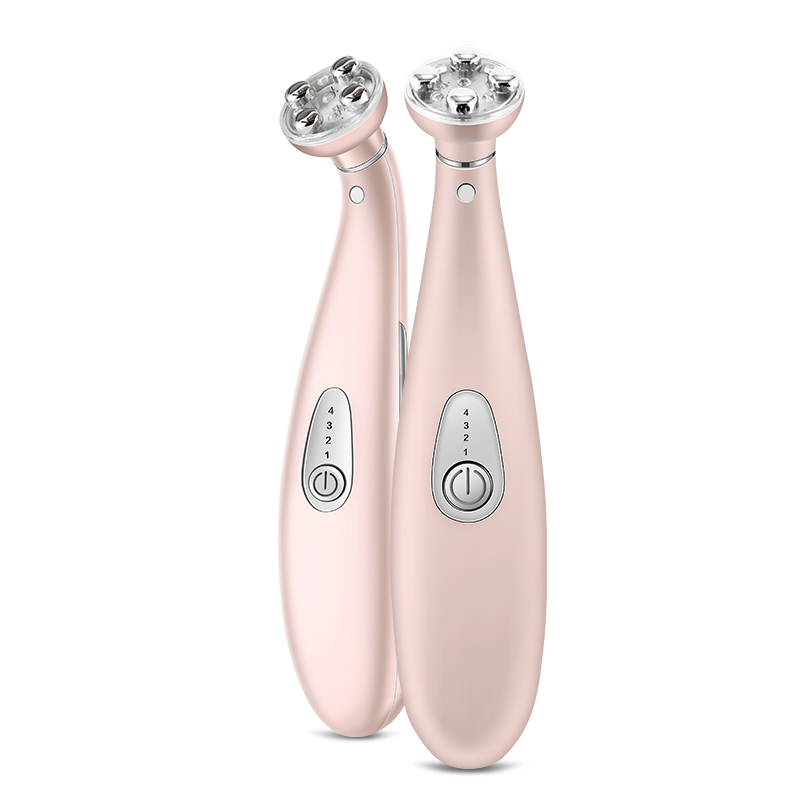
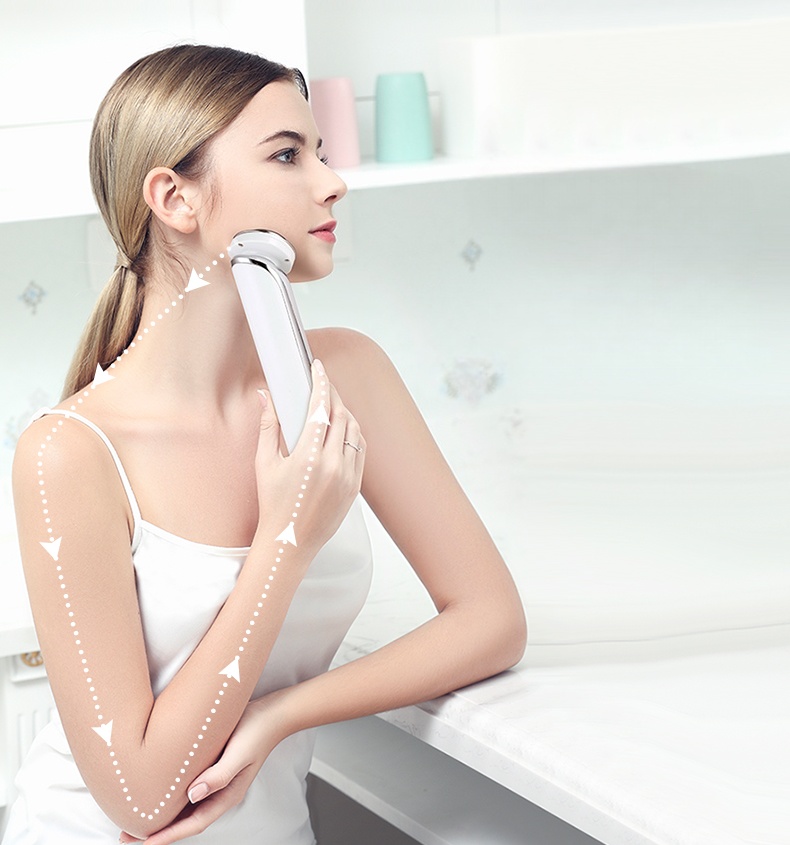
Dermal stimulation devices and radiofrequency devices are two very common skin treatment equipment in the medical beauty field. However, there are significant differences in their action principles, applicable symptoms, and treatment characteristics.
Dermal stimulation devices (usually referred to as fractional lasers) mainly use the focal photothermal effect of lasers for treatment. They emit matrix-like tiny beams, forming countless tiny thermal damage zones on the skin while the surrounding normal tissues remain intact. This design can effectively activate the skin’s self-repair mechanism and promote collagen regeneration. Fractional lasers are divided into ablative and non-ablative types:
Ablative type: It can vaporize part of the epidermal tissue, showing significant effects on acne scars, enlarged pores, and rough skin, but the postoperative recovery period is longer (about 1-2 weeks), and there may be scabbing and desquamation.
Non-ablative type: It retains the integrity of the epidermis, causing less trauma, and has a shorter recovery period (about 3-5 days), making it more suitable for improving fine lines, mild acne marks, and uneven skin tone.
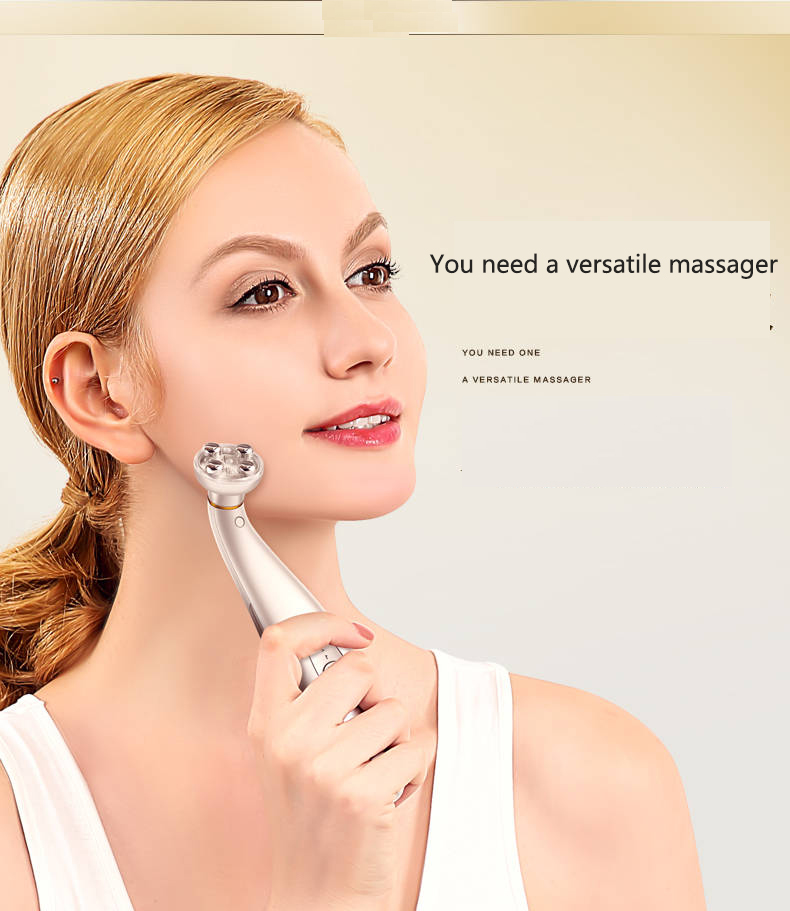
Radiofrequency devices are based on the principle of electrical energy heating. They transfer high-frequency electromagnetic waves through electrodes to the deep layers of the skin (dermal layer and subcutaneous tissue), causing water molecules in the tissue to vibrate rapidly and generate heat, thereby uniformly heating the target area. This thermal energy can directly stimulate collagen contraction, reorganization, and promote the synthesis of new collagen, mainly targeting the improvement of skin laxity and deep wrinkles. Its advantages lie in:
Action depth: The energy can reach the deep dermal layer and even the subcutaneous tissue, providing better effects for lifting facial contours, improving neck wrinkles, and stretch marks.
Skin surface damage is small: During treatment, the epidermis is heated less, and after treatment, there is usually only mild redness, and the recovery period is short.
Skin color adaptability: Since it does not rely on light energy, it is safer for various skin tones and is less likely to cause pigmentation.
Combined application: In actual clinical practice, doctors often combine the two for use based on the specific skin problems of patients, achieving an “1 + 1 > 2” effect. For example, using fractional lasers to improve acne pits and skin quality, and using radiofrequency to enhance skin firmness, but a reasonable treatment interval should be arranged after professional assessment.