
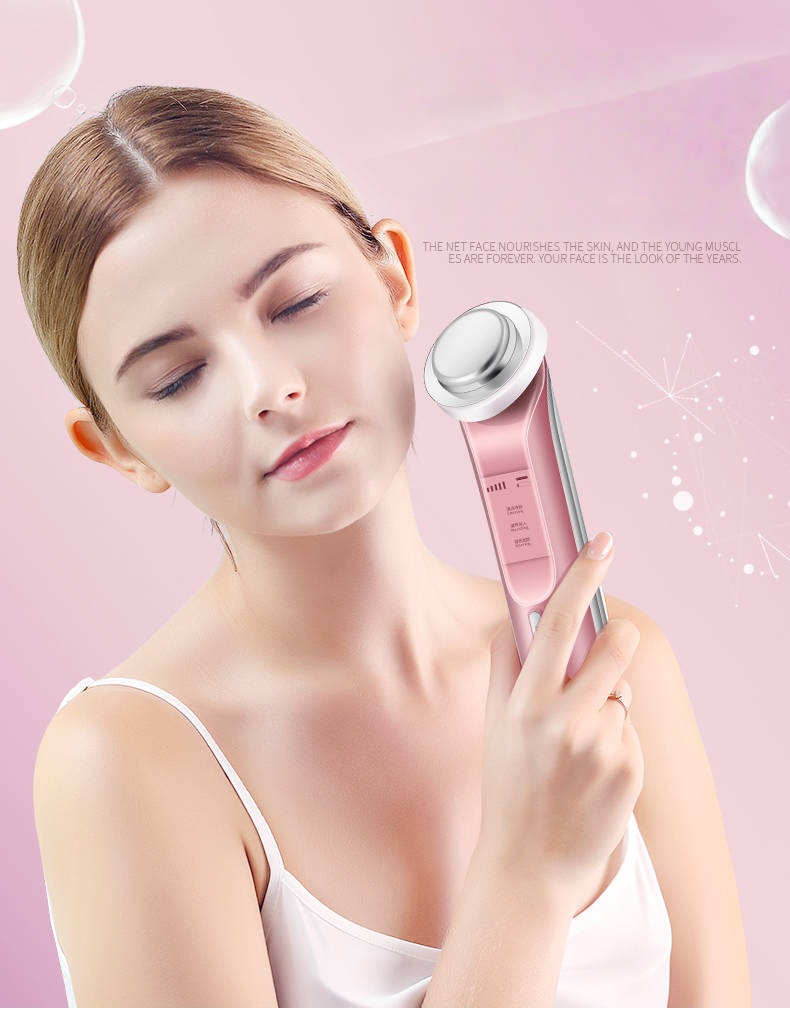
This article conducts an in-depth evaluation of home LED red and blue light, radio frequency (RF), and microcurrent beauty devices. It analyzes them from multiple dimensions, including technical principles, effect comparison, cost investment, and applicable groups. The core content is as follows:
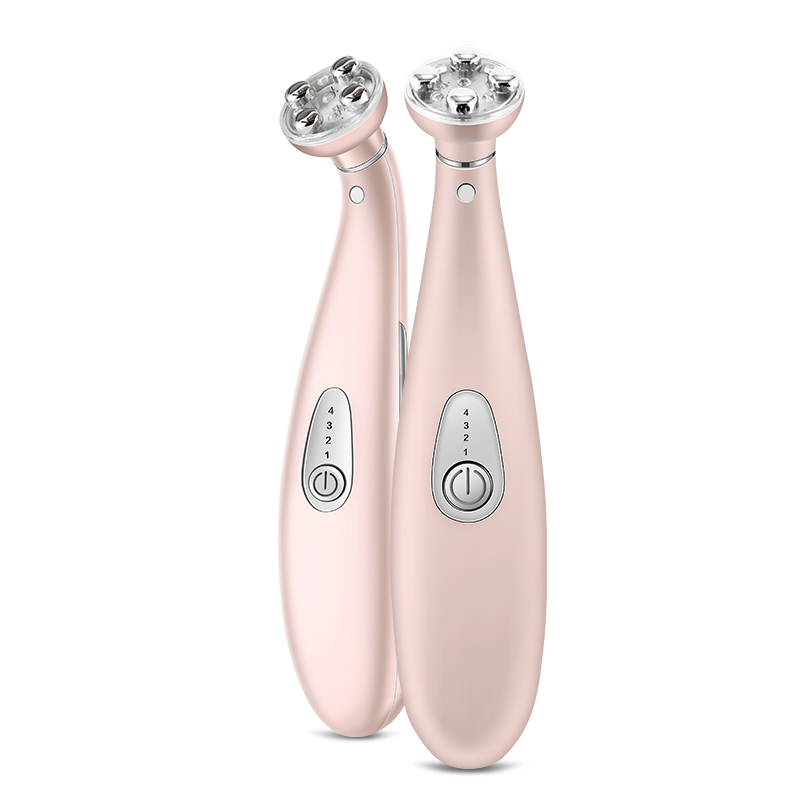
I. In-Depth Evaluation of Home LED Red and Blue Light Beauty Devices
1. Technical Principles: Scientific Basis and Mechanism of Action
- Red Light: Derived from medical research, with a wavelength of 680nm-880nm. It activates cellular mitochondria through “photobiomodulation”, promotes the production of ATP (energy) and nitric oxide, accelerates wound healing and tissue regeneration. It is suitable for skin repair and improvement of acne (for micro-wounds).
- Blue Light: With a wavelength of 407nm-420nm, its bactericidal effect was discovered in 1998. It can inactivate 99% of the flora on the skin surface (especially acne-related bacteria), with high biological safety, and has been approved by the FDA for the treatment of actinic keratosis and inflammatory papules.
2. Effect Comparison: The Gap Between Home Use, Beauty Salons and Skincare Products
Dose determines effect: Hospital equipment uses a conservative dose (red light 4-60J/cm², blue light 10-48J/cm²), beauty salon equipment has a higher dose (red light is about 10 times that of hospitals, blue light is 2 times), while home equipment, due to power safety restrictions (the maximum red light power is 1/3 of that in beauty salons, and blue light is 1/5), has significantly attenuated effects.
Clinical Data:
- Wrinkle improvement (16 weeks): 69% of users saw significant improvement with home devices, 82% with 4 beauty salon treatments, and 79% with 0.05% retinoic acid cream;
- Acne improvement (4 months): 47% of users saw significant improvement with home devices, 70% with 4 beauty salon treatments, and 51% with 5% benzoyl peroxide. Home devices are less effective than beauty salons and skincare products, but are suitable for people who are intolerant to skincare ingredients.
3. Cost and Adherence Rate: Dual Investment of Money and Time
- Monetary cost: Home devices cost 2,000-8,000 yuan (medium cost – medium effect), a single beauty salon treatment is about 20,000 yuan (high cost – high efficiency), and the annual cost of skincare products is several hundred to several thousand yuan (low cost – high cost performance).
- Time cost: It requires 20 minutes a day for more than 4 months to show effects, but the adherence rate is less than 10% without supervision (40% with supervision), and the phenomenon of “buying but not using” is common.
- Suggestions to improve adherence rate: Tool assistance (App reminders, alarms) + psychological motivation (30-day small goals + rewards).
4. Conclusion: Rational Choice
- Skincare products: Suitable for people with skin tolerance who focus on cost performance (such as 0.05% retinoic acid cream, 5% benzoyl peroxide);
- Beauty salons: Suitable for people with sufficient budget who pursue efficient improvement;
- Home devices: Only suitable for people who can insist on 20 minutes a day and are intolerant to skincare products (insist for at least 66 days).
II. In-Depth Evaluation of Home Radio Frequency (RF) and Microcurrent Beauty Devices
1. Technical Principles: Essential Differences
- Radio Frequency (RF) Technology: It generates heat through the oscillation of tissue ions in an alternating electric field (similar to a microwave oven), accurately heats the dermis (maintaining 65℃ for 1 second), and achieves immediate contraction of collagen (density +25%-35%) and long-term regeneration. The power of beauty salon equipment is 90-250 watts, while home equipment is only a few watts to more than ten watts (limited by safety standards).
- Microcurrent Technology: 0.1-0.5 mA pulsed direct current (0.5Hz-300Hz), simulating human electrical signals, activating cellular repair pathways (promoting type I collagen), and stimulating muscle contraction (at 0.5 mA), which is gentle and non-invasive.
2. Effect Comparison: Home Use vs. Beauty Salons
RF Effects:
- Beauty salons: Immediate firming in 1 second, peak collagen regeneration in 3-6 months, maintaining for 1-2 years (crow’s feet reduced by 25%-40%, collagen increased by 12%-20%);
- Home use: It needs 3 times a week, 15 minutes each time, and takes 3 months to take effect, but the effect is close to the minimum level of beauty salons (crow’s feet reduced by 10%-25%, collagen increased by 5%-12%).
Microcurrent Effects:
- Beauty salons: 2 times a week (first 2 months) + 1 time a week (maintenance), muscle thickness increased by 22%, skin elasticity increased by 18%;
- Home use: 5 times a week, 10 minutes each time, muscle thickness increased by 18%, elasticity increased by 12%, the effect gap is about 20%, and the cost performance is higher.
3. Cost Performance and Applicable Groups
RF Solutions:
- Skincare products (0.05% retinoic acid): About 100 yuan per year, 30% more effective than home RF, suitable for people with skin tolerance;
- Home RF: 2,000-8,000 yuan (about 600 yuan per year), classified as a Class III medical device since 2024, suitable for people with medium budget who can persist for a long time;
- Beauty salons: 5,000-10,000 yuan per year, twice as effective as the previous two, suitable for people with sufficient budget who pursue immediate and strong effects.
Microcurrent Solutions:
Home microcurrent devices cost about 600 yuan per year, with effects close to those of beauty salons and lower time investment (3.3 hours per month vs. 8 hours in beauty salons), featuring outstanding cost performance and being highly recommended.
4. Purchase Guide and Future Trends
- RF device purchase: Prioritize products with medical device certification, temperature control protection, and supporting App reminders, with power ranging from a few watts to more than ten watts. It is more cost-effective to buy during promotion periods.
- Microcurrent device purchase: Choose models with multiple frequencies, uniform contact point distribution, and detachable and cleanable probes. It needs to be used with conductive gel and can be combined with facial yoga for better results.
- Future trends: AI may promote the research and development of anti-aging drugs, which may subvert the existing model, but currently, it is still necessary to combine scientific skincare with the rational use of beauty devices.
Conclusion
None of the several types of home beauty devices are useless “scams”, but their effects are limited by home safety power and adherence habits, so the effects are compromised: LED red and blue light is suitable for gentle improvement of acne/repair, RF is suitable for anti-aging/collagen regeneration, and microcurrent is suitable for improving skin elasticity. Skincare products and microcurrent solutions with high cost performance are highly recommended. At the same time, the choice should be based on skin tolerance, time investment and budget to avoid blind following.
