
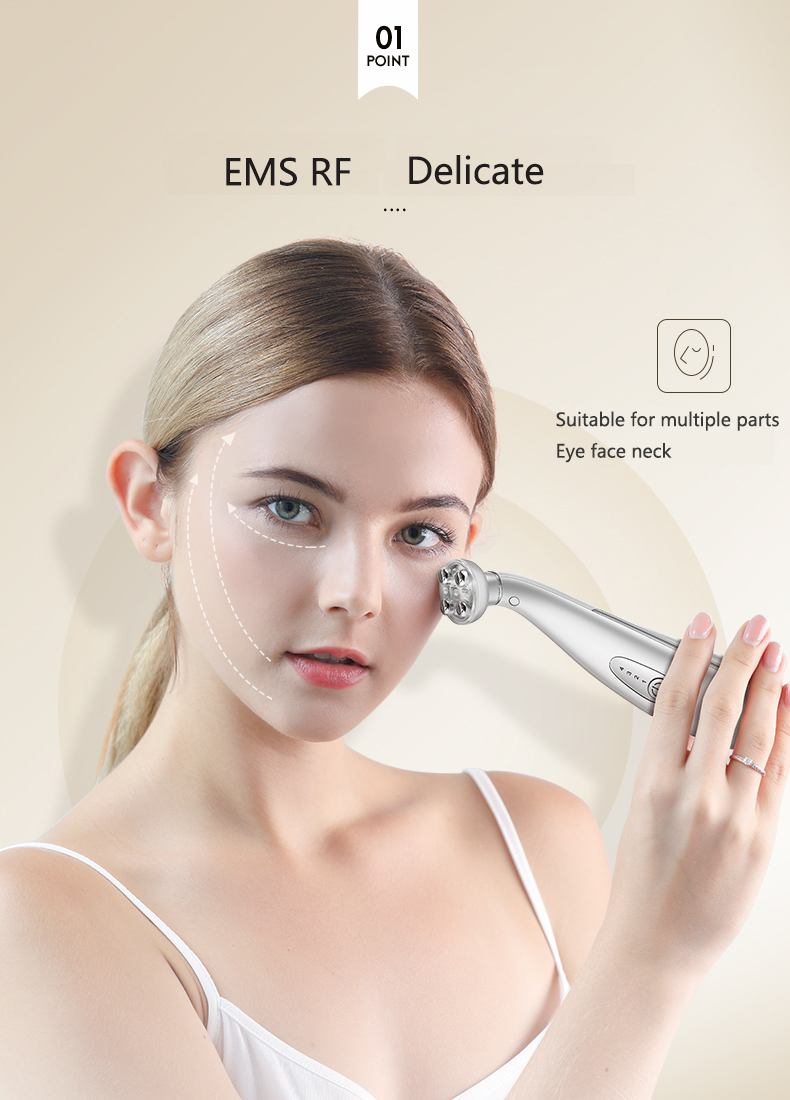
For a long time, radio frequency (RF) beauty devices were the flagship products for almost all beauty device brands to guarantee their GMV. According to the 2023 LED Beauty Device Industry Trend White Paper, among the top 10 at-home beauty device brands on Tmall and Taobao in 2023, RF beauty devices accounted for 88%. Of these RF products, 54% were priced in the range of 1,500 to 5,000 yuan, and 13% were priced above 5,000 yuan.
Undoubtedly, RF beauty devices were the super hit products of the beauty device industry and also the cornerstone of the entire industry.
However, since the beginning of this year, the strategies of beauty device brands seem to have changed. All brands have started to downplay the once-prevalent “single hit product” model and are scrambling to build a technology-diversified “product matrix”: overnight repair devices, super-concentrated ring precision sculpting beauty devices, super photon full-effect bare-skin light devices, ultrasonic egg devices, rainbow light masks, water light guns, small light cone beauty devices, ice skin devices, ice breath micro-sculpting ultrasonic devices, etc.
The at-home beauty device industry, which once relied on RF beauty devices to capture 80% of the market share, has begun to embrace a “hundred flowers blooming” era. Does this mean that the at-home beauty device industry has bid farewell to the single hit product era? Behind these changes, are they driven by external factors or internal drivers? Track competition will not diminish because of more abundant products—how should brands break through? Brands caught in this tide may have already found the answer.
01 Have Users Changed? Or Are They Creating New Demands?
The external factor triggering industry changes was an official announcement.
In March 2022, the Announcement No. 30 issued by the National Medical Products Administration (NMPA) stated that RF therapeutic apparatus and RF skin therapeutic apparatus products are regulated as Class III medical devices. Starting from April 1, 2024, no RF therapeutic apparatus or RF skin therapeutic apparatus products may be produced, imported, or sold without legally obtaining a medical device registration certificate.
At that time, no brand had successfully obtained the certificate, forcing all brands to remove RF beauty devices from shelves overnight. Although on July 8, the NMPA issued a new regulation, Document No. 84, extending the sales period for RF products before certification by another two years, insiders revealed to EB Run that the requirements for Class III medical device certification are extremely stringent and time-consuming, and two years are still insufficient to complete the certification process.
In May this year, media reported that one company had successfully obtained the certification—but it was not a mainstream beauty device brand on the market, but Peninsula Medical, a skin medical device company with 16 years of experience in the professional beauty salon sector. Peninsula Ultrasonic Gun and Peninsula Counterclockwise are both highly popular professional beauty salon treatments.
Besides, as of the press time, there has been no news of any beauty device brand obtaining the certification.
The real significance of this policy is that it has prompted brands to rethink the compatibility between single hit products and the industry itself.
“Super hit products are sweet nectar for some, but deadly poison for others,” an industry insider in the beauty device sector explained with an example. “Apple is a typical representative of a single hit product company, with a market value of 3 trillion US dollars, because it has created truly standardized products with an ultimate user experience—everyone’s experience of using a mobile phone, tablet, or computer is consistent. However, the user experience of at-home beauty devices is unstable; the efficacy of functions such as lifting, firming, skin rejuvenation, and wrinkle reduction varies from person to person. Therefore, in essence, single hit products are not suitable for the beauty device industry.”
So, in which directions can products expand?
A relevant person in charge of a brand explained that RF used to be the mainstream because, in principle, it is the most effective technology for anti-aging needs, and anti-aging was indeed consumers’ top demand for beauty devices in the past. “But now, with the wider popularity of at-home beauty devices, apart from anti-aging, other demands such as addressing acne-prone skin and sensitive skin have gradually emerged.”
Correspondingly, there are many other technical applications in at-home beauty devices that can meet consumers’ diverse beauty needs, including sonic wave technology, iontophoresis, LED light therapy, EMS microcurrent, RF, and laser technology.
i-CHARM believes that industry changes are mainly driven by shifts in user demand. “User needs are becoming increasingly personalized and diversified. We are striving to meet these demands and create highly differentiated products.”
“User demands are evolving towards diversification, personalization, and integration,” i-CHARM stated at its new product launch event, predicting that “the next era of at-home beauty devices is the optoelectronic era.”
02 Unlimited Opportunities Hidden in Niche Scenarios
In the past few months, beauty device brands have launched a range of products beyond RF technology.
i-CHARM rolled out six new products, including the overnight repair device, super-concentrated ring precision sculpting beauty device, sapphire body hair removal device, and super photon full-effect bare-skin light device—among which the latter three are newly launched light-based products. Behind these dazzling new beauty devices, what new user needs are being addressed?
A relevant person in charge of i-CHARM said that beauty device users are getting younger, and their requirements for product efficacy are also increasing.
“The i-CHARM Rainbow Light Mask innovates with 5-layer light technology to precisely target acne-prone skin problems in a layered and zoned manner. The Light Gun has developed thermoelectric light penetration technology to help open up skin absorption channels and deliver nutrients deep into the skin,” he explained with i-CHARM’s new products as examples, highlighting the trend of increasingly segmented user demands for beauty devices.
“With consumption upgrading and growing awareness of skin health, skincare has gradually become a daily maintenance routine. In addition to anti-aging, demands for moisturizing, brightening, acne treatment, and skin repair are strong. Young user groups are increasingly pursuing scientific, precise, and personalized skincare solutions. Therefore, when developing products, we pay special attention to user needs, create products that solve their actual problems, and provide personalized and targeted skincare solutions,” he added.
Nevertheless, even without major technological breakthroughs, there is still room for “micro-innovation.” A relevant person in charge of i-CHARM, which has not been affected by the policy, pointed out: “Simultaneously developing multiple product categories and continuously creating differentiated products is a reflection of a brand’s strong competitiveness. By accurately targeting a specific user demand and making micro-innovations in that area, products can better meet user needs.”
