
I. Industry Overview: From Explosive Growth to Standardized Development
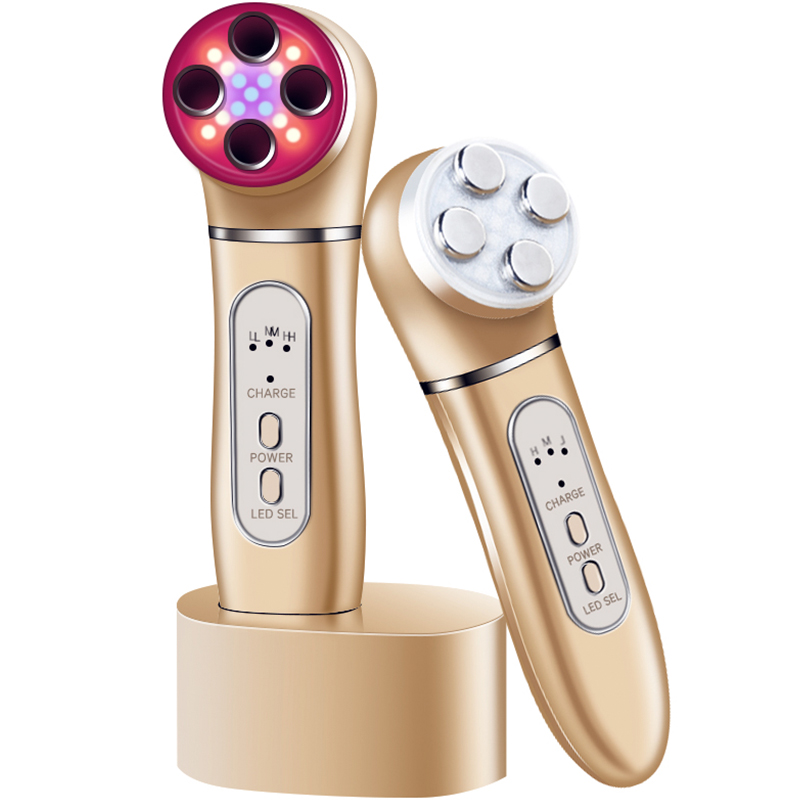
Household beauty devices are portable skincare appliances that regulate skin conditions by adopting physical, electronic, optical and other scientific principles. They are classified into LED light therapy, EMS microcurrent, RF radio frequency, laser, ultrasonic and other types based on working mechanisms. Featuring easy operation, low cost and home usability, household beauty devices have experienced remarkable growth from market penetration to rapid expansion over the past decade.
From 2014 to 2016, numerous high-end overseas brands entered the Chinese market, enriching product diversity and invigorating the whole industry. The year 2017 marked the official development milestone, as household beauty devices were officially categorized into beauty care products on Tmall. From 2018 to 2023, domestic brands rose rapidly and gained wide market recognition with cost-effective performance, innovative technologies and user-oriented designs tailored for Chinese consumers.
In terms of market scale, China’s household beauty device market size neared 10 billion yuan in 2023, maintaining an annual compound growth rate of over 30%. It is projected to exceed 20 billion yuan by 2026. Behind the booming blue-chip market, the industry has witnessed a profound shift from disorderly expansion to stringent regulatory supervision.
II. New Regulatory Pattern: Official Qualification Required for RF Beauty Devices
2.1 Policy Implementation & Evolution
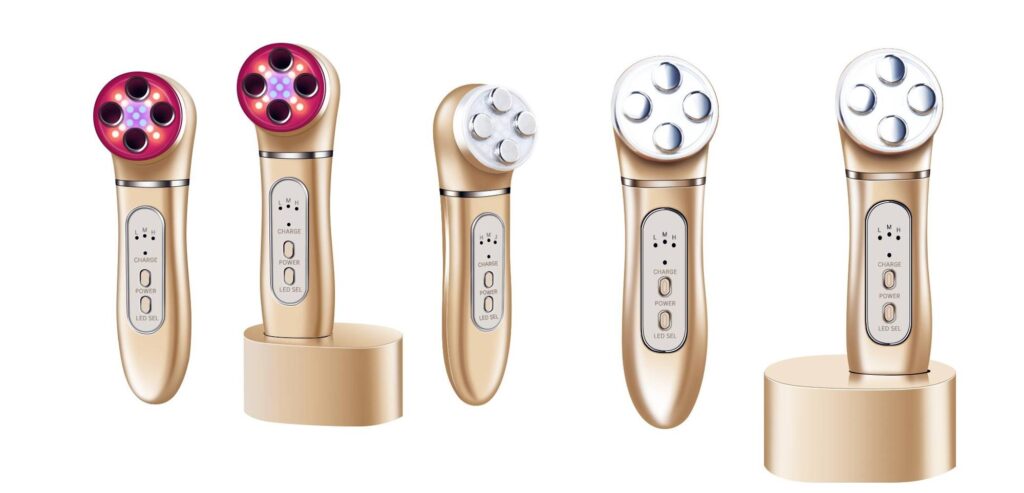
April 1, 2026 stands as a landmark date for the household beauty device sector. In accordance with regulations issued by the National Medical Products Administration, radiofrequency therapeutic instruments and radiofrequency skin treatment devices are officially categorized as Class III Medical Devices. Without valid registration certificates, relevant products are prohibited from production, import and sales.
After multiple revisions including the initial announcement in March 2022 and implementation postponement in 2024, the formal enforcement grants sufficient transition preparation time for all market players.
2.2 Market Restructuring & Higher Access Threshold
By March 2026, merely around 13 domestic and foreign brands have completed Class III medical device registration for RF skin treatment devices, including mainstream brands like Jmoon, Jomoo, Marysen, Reface, Huazhi and Ya-Man.
Class III medical device registration imposes extremely high entry barriers: the whole registration process takes 14 to 18 months, and will extend to 24 to 36 months if additional clinical trials are needed, requiring millions of RMB in capital investment. Such strict requirements have greatly raised industry thresholds and accelerated market reshuffling.
Great changes have taken place in product structure. Sales volume of mainstream RF beauty devices on e-commerce platforms has dropped sharply, while non-RF products such as microcurrent beauty devices, LED facial masks and large-spectrum light therapy devices have become market mainstream.
According to Baidu Index data, public search interest in RF beauty devices has kept declining since 2023 and dropped drastically after 2025. Radio frequency technology is no longer the core selling point of mainstream skincare beauty devices.
III. Technological Trends: Intelligence, Precision and Multifunctionality
3.1 Arrival of Intelligent Skincare Era
Driven by artificial intelligence, big data and other cutting-edge technologies, traditional household beauty devices are evolving into intelligent skincare terminals. AI-powered devices can identify facial skin conditions automatically, adjust energy output intelligently and formulate targeted anti-aging skincare plans for different facial areas.
High-end models are equipped with intelligent skin detection functions to rapidly measure skin moisture, oil content and skin impedance, so as to match optimal thermal and electrical energy and realize targeted anti-aging effects by zones and layers.
3.2 Precision Skincare Becomes Mainstream
Consumer skincare demands have upgraded from basic daily care to functional skincare focusing on anti-aging and skin firming. Centering on accurate identification, evidence-based verification and effective ingredient delivery, precision skincare solves diverse skin troubles in a targeted manner. Household beauty devices realize zone-based skincare, synergistic effect between devices and skincare ingredients, as well as controllable energy output, laying solid foundation for precision skincare.
3.3 Multifunctional Integration & Scenario Expansion
Product R&D is trending toward multi-functional integration. Integrating radio frequency, microcurrent, LED light therapy and other technologies into one single device has become mainstream.
Brands are launching specialized products for segmented demands including sensitive skin repair, post-medical beauty recovery and emergency skincare before makeup, together with intelligent skin analysis, APP customized skincare plans and smart temperature control functions, pushing the industry toward professional and intelligent development.
IV. Consumer Insights: Rational Consumption & Professional Demand
4.1 Upgraded Consumption Concepts
Young consumers have become the core consumption group, who set strict standards on product quality, brand reputation, service experience and technical safety. Statistics show that 47.5% of consumers prioritize diversified functions, followed by advanced technologies accounting for 42.9%.
Consumers no longer blindly pursue overseas famous brands. Instead, they focus on skin-adapted skincare solutions and adopt more scientific skin management methods.
4.2 Shift in Purchase Decisions
With the formal implementation of new regulatory rules, consumers’ purchasing habits have transformed greatly. Consumers pay more attention to medical device certification, clinical trial data and official compliance qualifications rather than prices, appearance and exaggerated publicity.
Class III medical device registration certificate has become a core reference for purchasing RF beauty devices. Such consumption upgrade forces the industry to shift from marketing-oriented operation to technology-driven development focusing on safety reputation and clinical verification.
V. Industry Challenges & Pain Points: Further Standardization Required
5.1 Safety and Quality Risks
In the early rapid expansion stage, the industry was plagued with false promotion and uneven product quality. In 2022, a famous overseas brand recalled over 180,000 household RF beauty devices due to skin scald hazards.
A comparative test conducted by Shenzhen Consumer Council in 2020 showed that 6 out of 10 sampled products exceeded nickel release standards, posing skin allergy risks. Some heating-type devices failed to meet standard temperature control requirements, leading to potential low-temperature scald risks.
5.2 Ambiguous Promotion Compliance Rules
Most mainstream household beauty devices are still classified as small household appliances, yet many products illegally use medical terms such as acne treatment and anti-inflammation in publicity, violating relevant supervision regulations.
Insiders stated that there are clear prohibitions on illegal publicity words, while unified and definite norms for permitted promotion content are still absent, resulting in chaotic market marketing wording.
VI. Future Outlook: Sound Industrial Development Directions
6.1 Compliance & Professionalization, Salon-level Technology Popularized at Home
Future industrial competition will shift from simple marketing promotion to comprehensive strength competition covering core technology, safety reputation and dermatological clinical verification.
Brands need to increase R&D investment continuously to improve product safety and efficacy and strictly abide by compliance regulations. High registration thresholds of Class III medical devices will phase out small and unqualified brands, accelerate industry concentration and optimize market competition pattern.
6.2 Technological Innovation Drives Industrial Upgrade
Intelligent operation, personalized customization, multi-functional integration and high efficiency will dominate future development trends. With continuous upgrading of chip, sensor and algorithm technologies, household beauty devices will achieve more precise energy control, smarter skincare scheme formulation and more user-friendly interactive experience. It is estimated that over 40% of household beauty devices will be equipped with intelligent functions within the next three years.
6.3 Continuous Improvement of Industrial Standard System
Formulated national standards including Safety of Household and Similar Electrical Appliances Part 118: Special Requirements for Skin Beauty and Care Appliances were officially approved in July 2024 and will be fully implemented on August 1, 2026.
Besides, group standards targeting LED beauty devices and other categories have been released, filling the gap in product performance evaluation criteria. Improved standard systems will guide the industry to achieve standardized and orderly development.
Conclusion
After a decade of rapid development, the household beauty device industry has stepped into a new development stage. Strict supervision brings both challenges and opportunities, eliminating non-compliant players and creating broader development space for quality-oriented and innovation-driven brands.
For industrial practitioners, prioritizing consumer safety, taking technological innovation as core momentum and adhering to compliant operation are essential to achieve steady long-term development, and jointly safeguard consumers’ safe and effective beauty skincare experience.
